




Schedule a Call Back
Oil shipments at risk from rising sea levels
2024-05-23
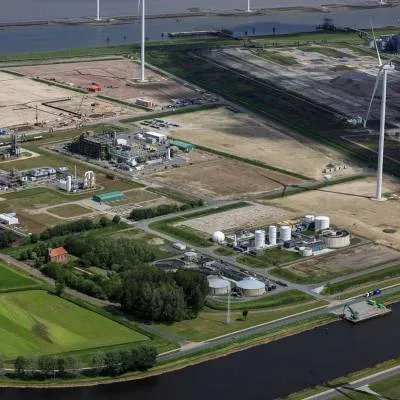
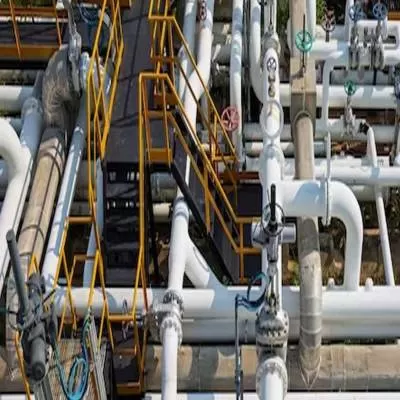 A dire warning was issued by researchers, cautioning that rising sea levels pose a grave threat to crude oil shipments and energy security, particularly in import-dependent nations like China, South Korea, and Japan. The China Water Risk (CWR) think tank highlighted the potential for significant disruptions in global oil trade due to the sinking of key oil ports and inundation of coastal refineries and petrochemical facilities, driven by melting ice and swelling seas from escalating temperatures.
According to the CWR report, the maritime infrastructure critical for exporting and importing crude oil faces considerable vulnerability, especially low-lying ports and bunkering facilities. Stress tests conducted by CWR indicated that approximately 12 out of the top 15 tanker terminals worldwide could be impacted by a one-meter rise in sea levels, with five located in Asia. This scenario puts a significant portion of global crude oil exports from major producers like Saudi Arabia, Russia, the United States, and the United Arab Emirates at risk, affecting key importers such as China, the United States, South Korea, and the Netherlands.
With Asian countries expected to bear the brunt of these consequences, the report underscores the urgent need for a transition away from oil dependence and the enhancement of port infrastructure resilience. Debra Tan, Director of CWR and lead author of the report, emphasised the importance of seizing investment opportunities to address infrastructure risks and mitigate the detrimental impacts of oil reliance on future prospects.
Japan and South Korea, both heavily reliant on crude oil imports, face significant vulnerabilities as a large portion of their ports could be affected by a one-meter rise in sea levels. Moreover, the continued growth in oil output, contributing to climate-warming emissions, poses a paradoxical threat to the energy security of multiple Asian countries, particularly Japan and South Korea.
The report further warns that failure to limit temperature rises within the critical threshold of 1.5 degrees Celsius could result in even more severe consequences, with sea-level rise potentially reaching three meters and posing an existential threat to port infrastructure across Asia. Ultimately, the report underscores the paradoxical risk posed by oil, traditionally seen as a pillar of energy security, which could ironically jeopardize the energy security of numerous nations. (Source: Economic Times)


Subscribe Now
Subscribe to our Newsletter & Stay updated
RECENT POSTS
Popular Tags
Folliow us