





Schedule a Call Back
Mandatory NHAI Nod for Speed Limit Changes
2024-08-21
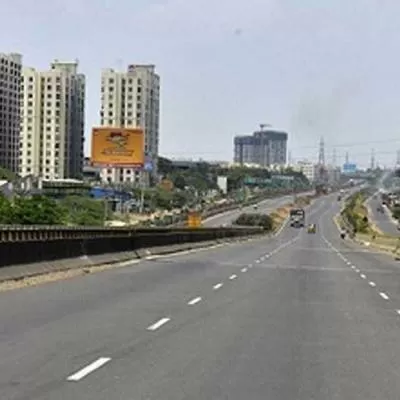 India's central government is considering making it mandatory for state governments to obtain approval from the National Highways Authority of India (NHAI) before altering speed limits on national highways.
Key Highlights:
Centralized Approval: The proposal aims to standardize speed limits across national highways by requiring state governments to seek prior approval from the NHAI before implementing any changes. This would prevent arbitrary alterations and ensure consistency across the country.
Current Scenario: Currently, state governments have the autonomy to set speed limits on highways within their jurisdictions. However, this has led to variations in speed limits, causing confusion among motorists and potentially impacting road safety.
Enhanced Safety Measures: The centralization of speed limit authority is expected to improve road safety by maintaining uniform speed limits on national highways, reducing the risk of accidents due to sudden or inconsistent changes.
Consultative Process: Under the new plan, any proposed change in speed limits by a state government would undergo a consultative process with the NHAI, ensuring that changes are based on comprehensive assessments and traffic studies.
Data-Driven Decisions: The NHAI would rely on data, including traffic density, accident rates, and road conditions, to approve or reject proposed speed limit changes. This data-driven approach aims to enhance the safety and efficiency of highway travel.
Impact on State Authority: While the plan seeks to standardize speed limits, it may face resistance from state governments concerned about losing control over road management. The central government is likely to engage with states to address these concerns.
Legal Framework: The proposal may require amendments to existing laws governing road transport and traffic regulation, potentially necessitating parliamentary approval.
Implementation Timeline: The central government has not yet specified a timeline for the implementation of this plan, but discussions are ongoing, and the proposal is likely to be formalized in the near future.
Public Response: The proposal has sparked debate among the public and policymakers. While some support the move for its potential to improve road safety, others argue it could limit the flexibility of state governments to address local traffic conditions.
Future Considerations: If implemented, the policy could pave the way for further centralization of road management practices, potentially leading to a more coordinated national highway system.


Subscribe Now
Subscribe to our Newsletter & Stay updated
RECENT POSTS
Popular Tags
Folliow us