






Schedule a Call Back
SHANTI Bill marks turning point for India’s nuclear energy sector: Deloitte India
2025-12-18
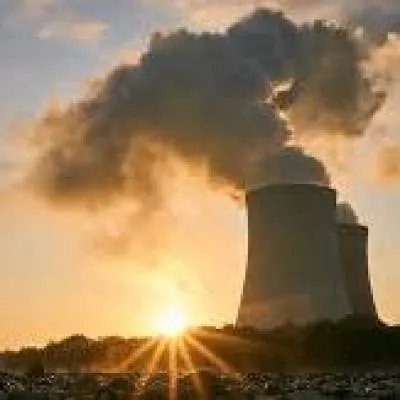
The proposed Sustainable Harnessing and Advancement of Nuclear Energy for Transforming India (SHANTI) Bill, 2025, signals a fundamental shift in India’s nuclear energy framework, positioning nuclear power at the core of the country’s long-term energy strategy, according to Deloitte India. The Bill, likely to be introduced in the Lok Sabha this week, seeks to overhaul the existing legal regime governing the sector.
The proposed legislation aims to repeal the Atomic Energy Act, 1962, and the Civil Liability to Nuclear Damage Act, 2010, replacing them with a single, unified law for nuclear energy. The move is intended to simplify regulation, address legacy challenges and enable faster growth of nuclear power capacity in line with India’s energy transition goals.
Calling the Bill a landmark reform, Anujesh Dwivedi, Partner, Deloitte India, said it represents a decisive break from the past. “I think it’s a very, very transformative bill. It’s a landmark movement for nuclear energy in the country,” Anujesh Dwivedi, Partner, Deloitte India, told ANI, adding that moving to a consolidated legal framework is “a big leap forward” for the sector.
One of the most significant shifts proposed under the SHANTI Bill is the opening up of the nuclear sector beyond government and central public sector entities. Dwivedi said the Bill proposes to allow participation by private sector companies, state entities and foreign players in nuclear power projects. He noted that while Indian private companies already play a major role in thermal and renewable energy, similar participation in nuclear power has been limited so far due to regulatory constraints.
The Bill also seeks to address long-standing concerns around supplier liability. Under the existing Civil Liability to Nuclear Damage Act, liability provisions have been a key deterrent for global suppliers. Dwivedi said the proposed changes are expected to ease these concerns, potentially increasing interest from international players, including French and Russian companies, and paving the way for joint ventures with Indian firms.
At an operational level, the proposed law lays down provisions for licensing and safety authorisation, regulates the use of nuclear and radiation technologies across healthcare, agriculture, industry and research, and grants statutory status to the Atomic Energy Regulatory Board. It also proposes a revised civil liability framework and new institutional mechanisms to handle nuclear damage claims.
Dwivedi said India currently has about 8 gigawatts of installed nuclear capacity, accounting for nearly 3 per cent of total power capacity. He added that the country is targeting 100 gigawatts of nuclear power by 2047, with plans to scale this to around 300 gigawatts by 2070, positioning nuclear energy as a key base-load source supporting India’s net-zero ambitions.
News source: ANI


Subscribe Now
Subscribe to our Newsletter & Stay updated
RECENT POSTS
Popular Tags
Folliow us