






Schedule a Call Back
US Signals Entry Into India’s Nuclear Energy Sector
2025-12-26
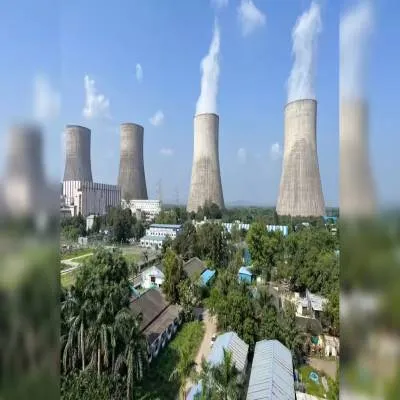 The United States has expressed its willingness to participate in India’s nuclear energy sector, days after Parliament passed legislation easing liability norms and allowing private investment into the industry.
“The United States stands ready to undertake joint innovation and research and development in the energy sector,” the US Embassy said in a post on social media platform X on Monday. The statement follows India’s decision last week to dismantle the decades-old state monopoly in nuclear power generation and introduce sweeping changes to liability provisions that had long deterred global investors.
The reforms are expected to attract investments of around $214 billion, with proposals from major Indian conglomerates, including the Adani Group, already under consideration, according to reports. The overhaul marks a significant shift in India’s nuclear policy framework, which had struggled to gain momentum despite strong long-term energy demand.
India’s civil nuclear expansion had earlier been constrained by a controversial liability law enacted in 2010, which exposed equipment suppliers to damage claims in the event of an accident. This provision followed a landmark 2008 agreement between India and the US that ended a decades-long global embargo on nuclear trade with New Delhi and granted India access to atomic materials and technology. However, concerns over unlimited liability kept foreign suppliers and investors largely on the sidelines.
Under the newly passed law, suppliers are exempted entirely from nuclear liability, while the burden on operators has been eased. Liability is now capped based on reactor size, and the government has been empowered to establish a dedicated fund to cover claims exceeding those limits.
The government expects the fresh inflow of capital to revive the underperforming nuclear sector and support Prime Minister Narendra Modi’s broader objective of transforming India into a developed nation by 2047. Nuclear power is also seen as a key component of India’s long-term clean energy strategy, alongside renewables, to meet rising electricity demand while reducing carbon emissions.


Subscribe Now
Subscribe to our Newsletter & Stay updated
RECENT POSTS
Popular Tags
Folliow us