





Schedule a Call Back
Nepal Seeks To Quadruple Hydropower Exports To India
2026-03-28
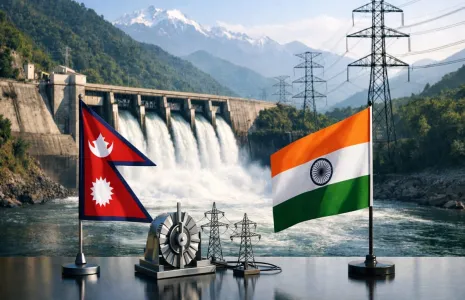 The Government of Nepal (GoN) has set out plans to quadruple hydropower exports to the Government of India (GoI) as part of a wider strategy to harness the country's river resources and boost national revenues. The initiative is presented as a way to translate renewable resource potential into sustainable income and to support domestic development goals. Officials describe the move as a long term objective that will require coordinated policy measures. The aim is to move beyond seasonal sales to a steady commercial relationship.
Achieving a fourfold increase as envisaged by the GoN will depend on substantial expansion of generation capacity and the strengthening of cross border transmission infrastructure. Private and public investment will be necessary to build new plants and to upgrade existing facilities while ensuring grid stability and reliability. Technical cooperation on interconnection standards and market mechanisms will be important to facilitate hourly and seasonal transfers of power. Long term power purchase agreements and transparent pricing frameworks will be needed to attract financiers.
The projected expansion is expected to create economic opportunities across project development, construction and operations and to generate export revenues that can be channelled into public services. For the GoI, increased imports from Nepal are likely to support its own energy transition by providing additional renewable supply during peak demand periods. Environmental assessment and community engagement are identified as essential components of project planning to manage impacts on river ecosystems and local livelihoods.
The GoN and the GoI indicate that feasibility studies, regulatory adjustments and bilateral negotiations will be among the immediate steps to translate the aspiration into deliverable projects. Financing, timely land acquisition and clear contractual arrangements are highlighted as practical challenges that will determine the pace of implementation. Stakeholder consultation and regional cooperation are portrayed as critical to build confidence among investors and communities. Observers say the success of the strategy will be judged by its ability to deliver reliable exports and sustainable development outcomes.


Subscribe Now
Subscribe to our Newsletter & Stay updated
RECENT POSTS
Popular Tags
Folliow us