




Schedule a Call Back
Auto LPG Push Gains Momentum in India’s Clean Fuel Debate
2026-04-16
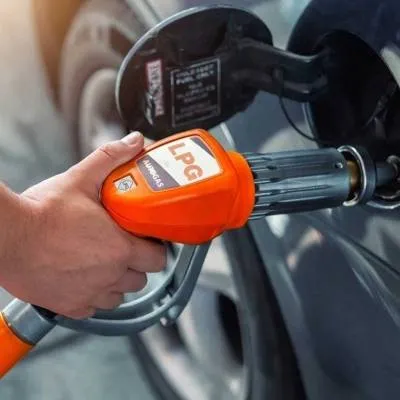
India is witnessing growing climate-focused investment and a wider shift towards cleaner fuels and zero-emission technologies. Against this backdrop, the Indian Auto LPG Coalition (IAC) has called for Auto LPG to be recognised as a key part of the country’s clean fuel strategy.
With over 330 million vehicles still running on petrol and diesel, the transport sector remains a major contributor to urban air pollution. IAC said quick-impact solutions are needed to reduce emissions in the near term, and highlighted Auto LPG as an immediately deployable alternative. The fuel is already used by more than 27 million vehicles globally and around 2.4 million vehicles in India.
Suyash Gupta, Director General, Indian Auto LPG Coalition, said that large-scale retrofitment to Auto LPG could help convert millions of vehicles into lower-emission alternatives without requiring a complete phase-out of conventional vehicles in the short term. He added that the fuel offers a cost-effective option for consumers while supporting cleaner air, Net Zero goals and energy security.
According to the coalition, Auto LPG helps lower emissions of carbon dioxide, nitrogen oxides and particulate matter, while also reducing running costs compared to petrol and diesel. It further noted that, unlike electric vehicles, Auto LPG can use existing distribution infrastructure and deliver faster air quality gains with limited additional investment.
The coalition has urged policymakers to include Auto LPG in the national clean fuel conversation, encourage OEMs to introduce more LPG vehicle variants, and reduce GST on LPG conversion kits from 28 per cent to 5 per cent. It pointed to countries such as Ukraine, Poland, Korea and Russia as examples where supportive policies have helped expand Autogas adoption and reduce emissions.
IAC said incorporating Auto LPG into India’s clean mobility framework could help balance long-term environmental ambitions with the immediate realities of the country’s large petrol and diesel vehicle base.


Subscribe Now
Subscribe to our Newsletter & Stay updated
RECENT POSTS
Popular Tags
Folliow us
Related Stories

Aludecor launches Stonic ACP surface series
Aludecor Lamination has launched its Stonic aluminium composite panel (ACP) surface series and the second phase of its 'Test Nahi Toh Trust Nahi'...
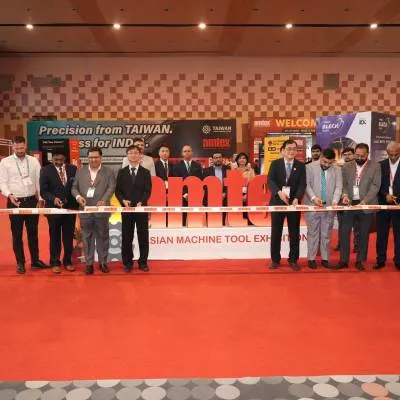
AMTEX 2026, Fastener Fair India Open in Greater Noida
"AMTEX 2026 and Fastener Fair India 2026 recently opened at India Expo Mart, Greater Noida, bringing together manufacturers, suppliers, technolog...

Saint-Gobain, CEPT partner on sustainable construction
Saint-Gobain and CEPT University have entered into a strategic partnership to establish a Tech Commons Centre aimed at advancing research, innova...