




Schedule a Call Back
Govt plans to delink petroleum operations from mining
2024-08-09
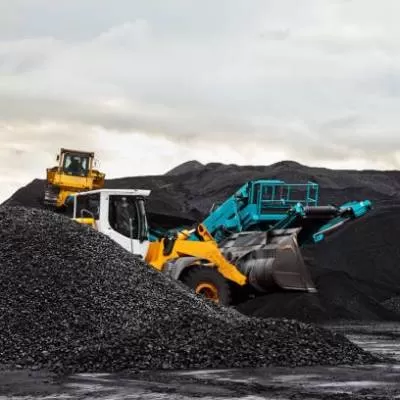 The Centre introduced a Bill in the Lok Sabha on Monday aimed at delinking petroleum operations from mining, clarifying the process for granting and extending petroleum leases, and establishing a new dispute resolution mechanism for the exploration and production sector.
The Oilfields (Regulation and Development) Amendment Bill, 2024, is set to replace existing laws dating back to 1948, last amended in 1969. It introduces the concept of a ?petroleum lease?, legally distinct from a mining lease. As petroleum extraction will no longer be considered a mining activity, the Bill will require a separate category for the appraisal of oil and gas projects for environmental clearances, according to informed sources. A petroleum ministry official explained that the Bill aims to simplify the Environment Impact Assessment process for oil and gas projects, reducing complexities without compromising environmental safeguards. The subsequent rules to be framed under the Bill are expected to provide further clarification on this issue. The Bill also seeks to enhance the ease of doing business in the exploration sector by broadening the scope of hydrocarbons. It replaces the term ?Oils? with ?Mineral Oils?, thereby including a wider range of mineral oils, such as shale oil, gas hydrates, and coal bed methane, to attract investment and introduce necessary capital and technology into the sector. For disputes related to petroleum leases or any authorisation granted by the Centre for the operation of an oilfield, the Bill proposes that the government may implement ?alternative dispute resolution methods under any law for the time being in force, within India or outside India?. The Bill also calls for stable terms in the granting of petroleum leases and aligns with the government?s broader initiative to decriminalise violations under various business regulations by introducing penalties instead of criminal sanctions. It suggests adjudication by an adjudicating authority and allows appeals against the authority?s orders. Additionally, the Bill mandates the reporting of carbon and greenhouse gas emissions from mineral oil operations and encourages the inclusion of renewable energy projects, such as solar and wind, at oilfields. It also expands the scope for newer technologies, such as green hydrogen and carbon capture, utilisation, and storage (CCUS), in support of decarbonisation efforts. The Bill is intended to promote and facilitate the adoption of measures for reducing carbon and greenhouse gas emissions and decarbonising operations, including the use of oilfields for purposes such as hydrogen production, CCUS, or coal gasification. The government stated that the Bill also aims to promote opportunities for risk mitigation, ensure stability in petroleum exploration, and address energy transition issues, including the adoption of next-generation cleaner fuels.


Subscribe Now
Subscribe to our Newsletter & Stay updated
RECENT POSTS
Popular Tags
Folliow us