




Schedule a Call Back
Adaptive Reuse: A Sustainable Path for Our Built Environment
2025-08-08
The architectural landscape is a tapestry woven with threads of history, culture, and human ingenuity. As societies evolve, so do their needs, often leaving behind buildings that no longer serve their original purpose. In the past, this might have led to demolition, but a growing movement known as adaptive reuse is offering a more sustainable and creative alternative. Adaptive reuse is the process of converting a building from one use to another, preserving its structural integrity and historical character while giving it a new lease on life.
It is more than just a trend; it's a powerful tool for sustainable development. The environmental impact of demolition and new construction is significant, generating massive amounts of waste and consuming vast resources. By adapting existing structures, we can dramatically reduce our carbon footprint. The energy and materials already invested in a building are preserved, and the need for new raw materials is minimized. This practice aligns perfectly with the principles of a circular economy, where resources are kept in use for as long as possible.
Beyond its environmental benefits, the creative transformation of existing structures offers unique cultural and economic advantages. Old buildings often possess a character and craftsmanship that are difficult, if not impossible, to replicate today. The intricate details of a Victorian-era factory, the grandeur of an art deco theater, or the raw honesty of an industrial warehouse tell stories of a bygone era. By preserving these structures, we maintain a tangible connection to our past and create unique, aesthetically rich spaces that stand out from modern, cookie-cutter developments. This historical connection can be a major draw for tourism and can help to revitalize neighborhoods, transforming neglected areas into vibrant hubs of activity.
Economically, such conversions can be a savvy investment. While the initial costs of renovation can sometimes be high, they are often offset by reduced construction timelines and the inherent value of the existing structure. Moreover, the unique character of a creatively repurposed building can command a premium in the market, attracting tenants and buyers who are looking for something out of the ordinary. From former schools turned into luxury apartments to old mills converted into bustling market halls, successful projects demonstrate that creativity and profitability can go hand in hand.
The process of this repurposing, however, is not without its challenges. Architects and developers must navigate complex issues such as structural integrity, building codes, and historical preservation guidelines. The original layout and materials of a building may not be suitable for a new purpose, requiring innovative design solutions to ensure functionality and safety. The key to a successful project lies in a deep understanding of the building's history, a creative vision for its future, and a collaborative approach that brings together preservationists, engineers, and designers.
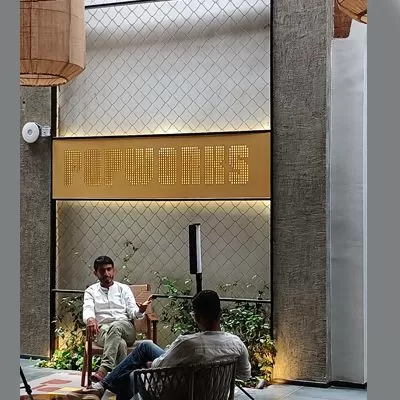
The examples of successful transformations are all around us. In Bengaluru, a century-old colonial-era home that once housed a hat-making factory has been revitalized as Hatworks Boulevard, a vibrant commercial space with boutiques and cafes. Another notable example is the Cinnamon boutique, which transformed a dilapidated colonial bungalow that was once an orphanage into a chic lifestyle store. Closer to home, countless old bungalows have been reborn as trendy restaurants, offices, and boutique hotels, showcasing how the city's architectural past is being integrated into its modern, bustling life. These projects are a testament to the power of imagination and the potential of our built environment.
In an age of increasing environmental awareness and a desire for authentic experiences, this practice is more relevant than ever. It's a method that honors the past while building a more sustainable future. By embracing the challenge of giving old buildings new life, we are not only preserving our heritage but also creating more resilient, character-filled, and environmentally friendly communities for generations to come. The future of our built environment may not lie in tearing down the old, but rather in thoughtfully and creatively reusing what we already have.
Authored By:-Ar. Mueen Haris, Founder, Ds2 Architecture


Subscribe Now
Subscribe to our Newsletter & Stay updated
RECENT POSTS
Popular Tags
Folliow us