




Schedule a Call Back
Rustomjee Restores Wadia Clock Tower in Mumbai’s Fort
2026-02-10
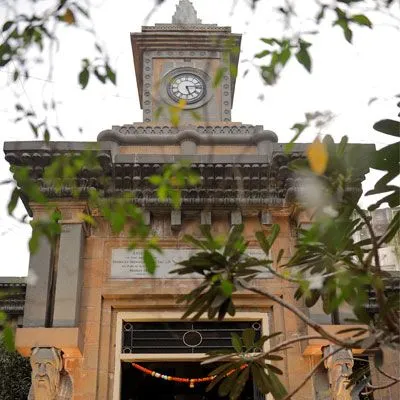
Rustomjee Group has completed the restoration of the 19th-century Bomanjee Hormarjee Wadia Clock Tower in Mumbai’s Fort area, reviving one of the city’s historic public landmarks through a collaboration with the Kala Ghoda Association.
Built in 1882 as a tribute to philanthropist Bomanjee Hormarjee Wadia, the basalt stone clock tower and fountain stands at the junction of Bazaar Gate Street and Perin Nariman Street. The restored landmark was inaugurated on 9 February 2026 by Boman Rustom Irani, Chairman and Managing Director of Rustomjee Group, and Brinda Miller, Chairperson of the Kala Ghoda Association.
The conservation scope included structural strengthening, repair of architectural elements, surface cleaning, revival of the clock mechanism and the addition of sensitive night-time lighting. Originally designed as both a public fountain and timekeeping structure, the tower historically served residents, travellers and traders, providing clean drinking water during a period of limited piped supply.
Commenting on the restoration, Boman Rustom Irani said the project reflects Rustomjee’s belief that preserving heritage strengthens the bond between a city and its people, while honouring the legacy of civic philanthropy associated with the Wadia family.
Brinda Miller said the initiative demonstrated the importance of collaborative efforts in safeguarding Mumbai’s cultural assets and enhancing the Fort precinct’s urban character.
Vikas Dilawari, conservation architect for the project, noted that the restoration focused on stabilising the structure while reviving original craftsmanship and ensuring the clock’s continued functionality.
The inauguration featured a traditional Parsi diya lighting ceremony, acknowledging the monument’s cultural lineage. Rustomjee said the project reinforces its approach to responsible city-building, where heritage conservation forms an integral part of Mumbai’s evolving urban identity.
Mumbai is home to hundreds of heritage structures embedded within dense, high-traffic urban zones, many of which face gradual deterioration due to age, pollution, and redevelopment pressure. Projects such as the Wadia Clock Tower restoration underscore the growing role of private stakeholders in conserving legacy civic infrastructure that may not generate direct commercial returns but contributes to urban identity and continuity. As redevelopment accelerates across older business districts and historic precincts, such interventions highlight the need for structured collaboration between developers, conservation professionals, and civic bodies to ensure that heritage assets remain active participants in the city’s evolving urban landscape rather than fading remnants of the past. The restored Wadia Clock Tower now stands as a functioning public landmark within the Fort precinct, reinforcing the role of heritage conservation as part of responsible urban development.


Subscribe Now
Subscribe to our Newsletter & Stay updated
RECENT POSTS
Popular Tags
Folliow us