






Schedule a Call Back
Liquid Power at Work
2026-03-27
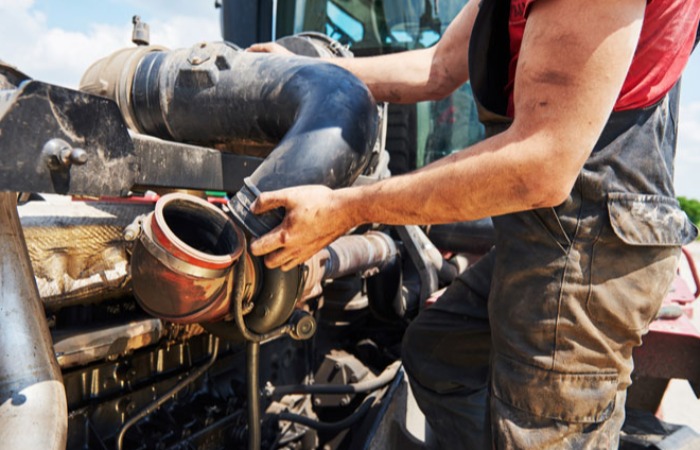
India’s construction equipment industry is in the midst of an unprecedented expansion cycle. From highways and metro corridors to airports and mining projects, machines are working harder, longer, and in more demanding conditions than ever before. Yet, beneath the roar of engines and the scale of operations lies a quieter, often overlooked contributor to performance—lubrication.
Lubricants may account for a small fraction of maintenance budgets, but their impact on productivity, equipment life, and operating costs is immense. In high-stress environments where downtime can derail project timelines and inflate costs, the role of lubrication has evolved from a basic maintenance necessity to a strategic performance driver.
Today, the lubricant industry is undergoing a transformation of its own, shaped by changing equipment technologies, stricter emission norms, sustainability imperatives, and the rise of digitalisation. The result is a new generation of products and solutions that go far beyond reducing friction—they are redefining how construction equipment performs in the field.
From Maintenance Essential to Performance Lever
Traditionally, lubricants were seen as consumables—necessary, but rarely strategic. That perception is changing rapidly.
“Effective lubrication can drive substantial business value by enhancing productivity and cutting costs, though its impact is frequently undervalued,” observes Praveen Nagpal, Chief Technology Officer, Shell Lubricants India. According to him, the conversation today is no longer about simply choosing a lubricant, but about ensuring that every piece of equipment is using the right product and that lubrication is managed scientifically.
This shift is being driven by the increasing complexity of construction equipment. Modern machines are designed for higher output, tighter tolerances, and compliance with stringent emission norms. As a result, they demand lubricants that can deliver consistent performance under extreme conditions—high temperatures, heavy loads, dust, and contamination.
Nagpal points to innovations such as Shell’s gas-to-liquid-based hydraulic oils, which reduce energy losses in hydraulic systems, and high-performance greases that extend service intervals. These advancements, he notes, translate directly into lower maintenance costs and improved reliability on site.
The emphasis on performance is echoed across the industry. “Whenever engines and gearboxes run freer and more reliably, operating costs are lower if only because they consume less,” says Jayanta Ray, Vice President – Industrial, OEM and ESG, GS Caltex India. His observation underscores a key reality: lubrication is not just about protection—it is about efficiency.
The Rise of Advanced and Synthetic Lubricants
One of the most defining trends in the industry is the growing shift toward high-performance synthetic lubricants and long-drain formulations.
“The focus is progressively shifting toward synthetic long-drain engine oils that increase revenue-generating uptime,” explains Ravi Chawla, Managing Director & CEO, Gulf Oil Lubricants India. This transition is particularly relevant in the construction and mining sectors, where equipment utilisation is high and downtime is costly.
Synthetic lubricants offer several advantages over conventional oils. They provide better thermal stability, improved oxidation resistance, and superior protection under extreme loads. More importantly, they enable extended oil drain intervals, reducing the frequency of maintenance interventions.
Chawla emphasises that these benefits are not merely incremental. “Our products are designed with a clear objective—to improve equipment reliability, operational efficiency, and total cost of ownership,” he says. By reducing friction, minimising wear, and maintaining performance over longer periods, advanced lubricants are helping contractors extract more value from their machines.
This evolution is also visible in product development across the industry. From low-viscosity engine oils that enhance fuel efficiency to synthetic gear oils designed for high-torque applications, the focus is firmly on delivering measurable performance gains.
Driving Application-Specific Innovation
Another significant development reshaping the lubricants landscape is the growing importance of OEM partnerships. As equipment becomes more sophisticated, generic lubrication solutions are giving way to application-specific products developed in collaboration with manufacturers.
Gulf Oil’s recent alliances with leading construction equipment OEMs illustrate this trend. “By working closely with OEMs, we are able to deliver application-specific, future-ready lubricant solutions that help customers improve equipment reliability, reduce downtime, and optimise total cost of ownership,” says Chawla.
Such collaborations ensure that lubricants are tailored to the exact requirements of equipment, taking into account factors such as operating conditions, load profiles, and emission systems. This not only enhances performance but also reduces the risk of compatibility issues and premature failures.
Across the industry, OEM-approved lubricants are gaining traction for similar reasons. They are engineered to meet precise specifications, ensuring optimal performance and extending the life of critical components. For contractors operating in high-pressure environments, this level of assurance is increasingly valuable.
Sustainability Moves to Centre Stage
If performance is one pillar of modern lubrication, sustainability is the other. Environmental considerations are now central to product development, driven by regulatory pressures as well as customer expectations.
“At LANXESS, our focus is on developing advanced additive technologies that make lubricants and fuels more reliable and sustainable,” says Ganesh Khole, Associate GM – Head of Sales and New Business Development, LANXESS India. The company’s latest additive solutions, which incorporate a high proportion of sustainable raw materials and significantly reduce carbon footprint, reflect this direction.
The push toward sustainability is visible across multiple dimensions. Manufacturers are developing biodegradable lubricants, zinc-free hydraulic fluids, and low-SAPS formulations that protect emission control systems. At the same time, there is growing emphasis on recycling and re-refining used oils as part of a circular economy approach.
The company’s work spans a wide spectrum—from sustainable lubricants derived from re-refined base oils to advanced fluids designed for electric vehicles and hydrogen-powered engines. “By combining advanced technologies with local adaptability, Motul is ready to lead solutions across electrification, sustainability and alternative fuels,” adds Nagendra Pai, CEO, Motul India & South Asia.
These developments highlight a fundamental shift: sustainability is no longer a trade-off against performance. Instead, it is becoming an integral part of value creation.
Digitalisation and the Emergence of Smart Lubrication
As construction sites become more connected and data-driven, lubrication is also entering the digital age.
“Smart lubrication technologies enable real-time condition monitoring and predictive maintenance,” notes Vaibhav Maloo, Managing Director, ENSO Group. This capability is particularly valuable in the construction sector, where unplanned downtime can have cascading effects on project schedules.
Digital solutions are enabling a proactive approach to maintenance. By monitoring oil condition, contamination levels, and equipment health in real time, operators can identify potential issues before they escalate into failures. This not only reduces downtime but also extends the life of both lubricants and equipment.
Shell’s suite of digital tools exemplifies this trend. From remote oil condition monitoring to telematics-based fleet optimisation, these solutions are designed to integrate lubrication into the broader ecosystem of equipment management.
The shift toward lifecycle management is further reinforced by innovations in oil maintenance. “The smallest of contaminants is separated from the oil using centrifugal force, extending the life of the oil, filter, and machinery,” explains Ashutosh P Gokhale, Director, Oilmax Systems. Such technologies are helping contractors maximise the value of their lubricants while reducing waste.
India’s Unique Operating Challenges
While global trends are shaping the lubricants industry, India presents its own set of challenges. Construction equipment in the country operates in some of the harshest conditions imaginable, characterised by high dust levels, extreme temperatures, and variable load conditions.
“Working conditions in the construction industry are often severe… temperature, humidity, dust and location all pose different challenges,” says Ray. These factors make it essential for lubricants to be tailored to local conditions.
Companies are responding by developing formulations that are tested and validated in Indian environments. Gulf, for instance, emphasises field-tested products designed for the country’s extreme operating conditions. Similarly, GS Caltex focuses on base oils with high thermal stability and low volatility, ensuring consistent performance even under stress.
Localisation is not just about performance—it is also about reliability. In a market where equipment downtime can have significant financial implications, the ability to deliver consistent results under challenging conditions is a key differentiator.
Regulatory Pressures and Technological Evolution
The introduction of stricter emission norms, including BS VI and upcoming CEV-V standards, is another major driver of change in the lubricants industry.
Modern engines are equipped with advanced emission control systems such as diesel particulate filters (DPFs), which require specialised lubricants. These products must minimise ash formation, protect after-treatment systems, and maintain performance over extended periods.
Nagpal notes that Shell’s next-generation lubricants are designed to “protect exhaust after-treatment systems, reduce harmful emissions, and improve combustion efficiency.” Similarly, GS Caltex has introduced advanced formulations aligned with global standards such as API CK-4 and FA-4.
These developments highlight the increasingly close relationship between lubricants and engine technology. As equipment evolves, lubricants must keep pace, ensuring compatibility and performance.
The Expanding Role of Services
Another defining trend in the industry is the shift from product-centric offerings to integrated solutions that combine lubricants with services.
“We are not just supplying lubricants—we are helping optimise lubrication practices,” says Ray. This approach reflects a broader understanding that the value of lubrication lies not only in the product but also in how it is used and managed.
Services such as oil analysis, condition monitoring, training, and technical support are becoming integral to the lubrication ecosystem. These offerings help customers improve efficiency, reduce costs, and extend equipment life.
The emphasis on services also aligns with the industry’s focus on total cost of ownership. By optimising lubrication practices, companies can deliver tangible benefits in terms of reduced downtime, lower maintenance costs, and improved productivity.
Electrification and the Future of Lubrication
The gradual shift toward electric and hybrid equipment is adding a new dimension to the lubricants market. While internal combustion engines will continue to dominate in the near term, the rise of alternative powertrains is creating new requirements.
“Even with increasing EV adoption, internal combustion engines… will continue to require high-performance lubricants,” says Chawla. At the same time, new applications are emerging, particularly in thermal management for electric vehicles.
Motul’s work in this area illustrates the potential. Its advanced fluids for battery cooling and power electronics are designed to enhance the efficiency and reliability of electric systems. These innovations point to a future where lubrication extends beyond traditional applications into new domains.
A Strong Growth Outlook
Despite the changes underway, the outlook for the lubricants industry in India remains robust. Driven by infrastructure development, mining expansion, and industrial growth, demand is expected to remain strong over the coming years.
“The industrial and off-highway lubricant market in India holds a strong and sustainable growth outlook,” says Chawla. He believes that the combination of infrastructure momentum and technological evolution will continue to create opportunities for the industry.
As the market evolves, companies that can integrate performance, sustainability, and services into their offerings are likely to gain a competitive edge.
Conclusion
Lubricants may not command the same attention as machines or projects, but their importance is undeniable. In an industry where efficiency, reliability, and cost control are paramount, they play a pivotal role in enabling performance.
What is changing is the way they are perceived. No longer just consumables, lubricants are emerging as strategic tools that can influence everything from fuel efficiency and emissions to equipment life and operational costs.
As India’s construction sector continues to grow in scale and complexity, the role of lubrication will only become more critical. And in that evolution lies an opportunity—for manufacturers, contractors, and the industry as a whole—to rethink lubrication not as a necessity, but as a competitive advantage.


Subscribe Now
Subscribe to our Newsletter & Stay updated
RECENT POSTS
Popular Tags
Folliow us
Related Stories
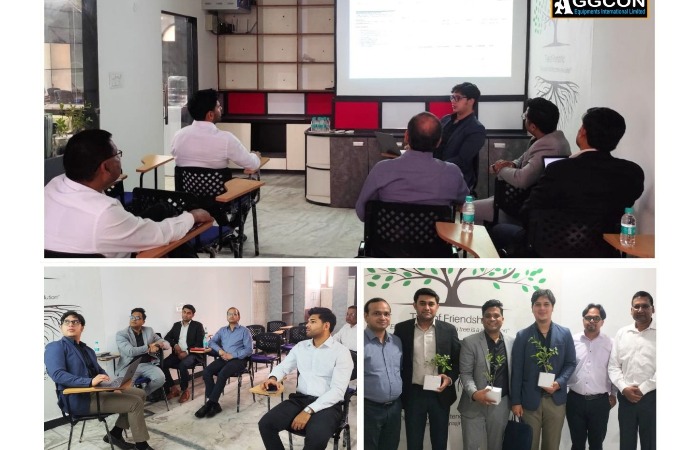
AGGCON Hosts Session on Business Transformation
AGGCON recently hosted a business transformation session with the team from Orane Consulting Private Limited to explore the growing importance of...
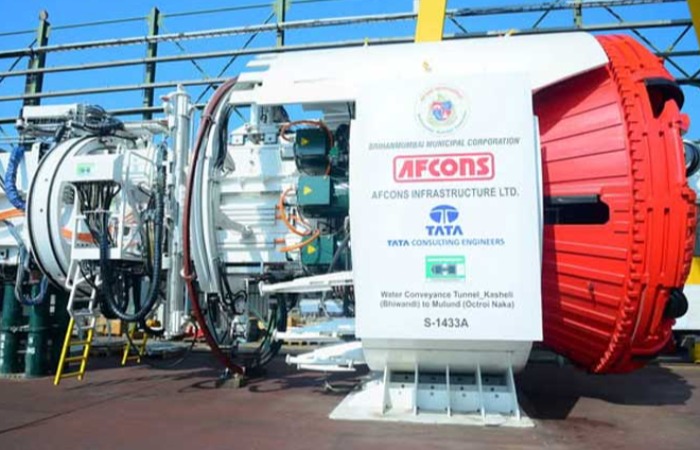
Afcons TBM Passes Tests for Mumbai Water Tunnel
Afcons Infrastructure, a Shapoorji Pallonji Group company, has completed factory acceptance tests for a 5.33-m diameter Herrenknecht Gripper TBM,...
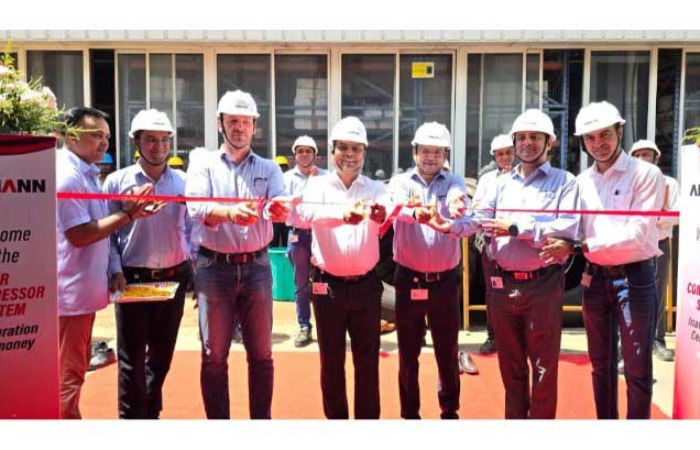
Ammann India Inaugurates Centralised Air Compressor System
Ammann India has inaugurated a new centralised air compressor system at its Machine Division as part of its green energy conservation and sustain...