




Schedule a Call Back
Asia Faces USD 5.5 tn Energy Investment Cycle
2026-07-02
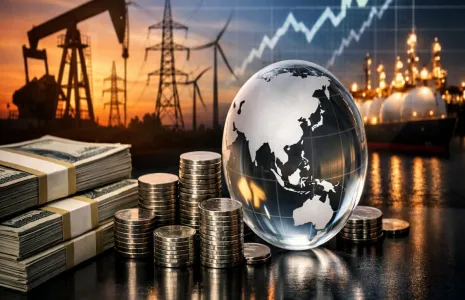 A Morgan Stanley report has found that rising energy security concerns driven by geopolitical tensions and supply disruptions will prompt a United States dollar (USD) five point five trillion (tn) investment cycle across Asia over the next five years. The report estimated the planned investments could reduce Asia's energy imports from 36 per cent of total consumption to 29 per cent by 2030, signalling a strategic shift. Asia currently consumes as much energy as the rest of the world combined but produces only about one third domestically.
The report said shortages have caused plastics constraints, lower steel and nickel output, travel disruptions and tiered power pricing for data centres, and that oil supply worries linked to the Iran conflict prompted measures such as four day workweeks. Morgan Stanley's regional energy lead described energy, artificial intelligence and security converging into a once in a generation investment cycle with broad implications. It calculated that USD four point three tn of announced capital expenditure plus an additional USD one point two tn will be required through the decade.
The projected spending equates to annual capital expenditure growth of 11 per cent over the next five years, compared with an average growth rate of 2 per cent in the previous decade. The report projected China to account for USD three point one tn, ASEAN and Taiwan about USD 697 billion (bn) and India about USD 552 bn. It noted that energy infrastructure investment lagged while consumption rose by 50 per cent, a gap that AI and data centre expansion will accelerate.
The study said a substantial share of investments through 2030 will target fossil fuel infrastructure including coal, diesel and natural gas, while renewable investment may temporarily plateau as grids are upgraded. Governments were reported to be strengthening security with plans ranging from China's USD three tn to USD three point eight tn programme to India's diversification into coal gasification and biofuels. It concluded that full energy independence is unlikely but the cycle can reduce reliance on concentrated suppliers and diversify fuel types.


Subscribe Now
Subscribe to our Newsletter & Stay updated
RECENT POSTS
Popular Tags
Folliow us