





Schedule a Call Back
Metro Manoeuvres
2023-11-22
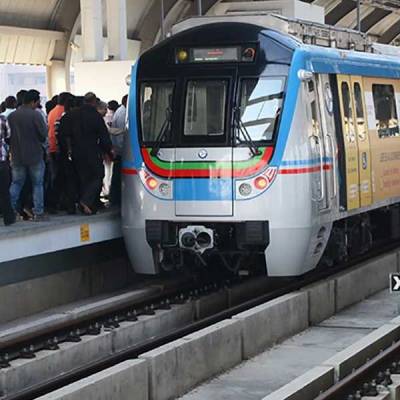
India has seen nothing short of a metro revolution in the last decade, with the number of cities with a metro-rail system increasing from five in 2014 to 20 in 2023. Today, India’s operational metro route length is nearing 900 km, the world’s fourth longest, behind only China, South Korea and the US. Projects to expand this network by about 700 km are underway and there’s a lot more to come. By 2047, the Government plans to increase the operational route to 5,000 km in 100 cities.
What’s behind such fast-paced expansion, and how can India ensure that the new rollouts are sustainable?
The expansion model
The fact that all the operational metro-rail systems across India’s major Tier 1 cities have been established within the past two decades (with the exception of the Kolkata Metro), yet are already functioning at full capacity, especially during peak hours, indirectly justifies the substantial investments made by the Government in these projects, opines Karun Sareen, Partner, Major Projects Advisory, KPMG in India. “It is inconceivable today to contemplate urban mobility in those cities without the presence of their metro systems. Consequently, all these cities are either undertaking or have announced plans for the expansion of their existing metro lines.”
It’s not just Tier 1 cities. “To meet escalating mobility demands resulting from the expected twofold increase in urbanisation over the next 25 years, governments are allocating resources to metro-rail projects even in Tier 2 cities with populations exceeding 1 million,” he continues.
To read the full story, CLICK HERE.


Subscribe Now
Subscribe to our Newsletter & Stay updated
RECENT POSTS
Popular Tags
Folliow us