


Schedule a Call Back
Union Budget 2026–27 Focuses on Growth, Jobs and Infrastructure
2026-02-02
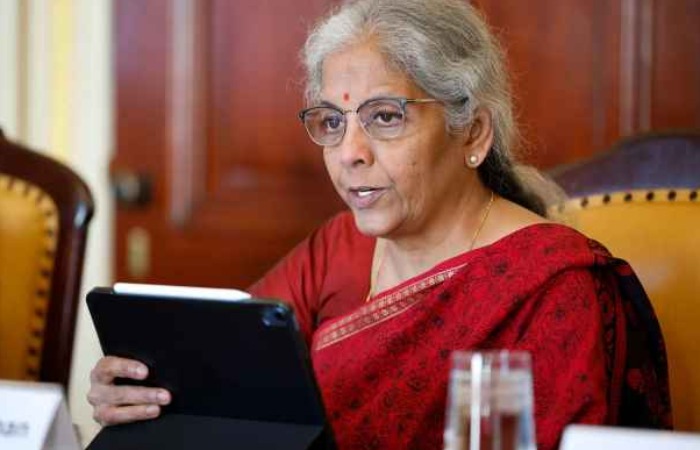
Union Minister for Finance and Corporate Affairs Nirmala Sitharaman recently tabled the Union Budget 2026–27 in Parliament, outlining a growth-led roadmap anchored around three ‘kartavyas’—accelerating economic growth, building people’s capacities, and ensuring inclusive development across regions and sectors.
The Budget estimates non-debt receipts at Rs 36.5 lakh crore and total expenditure at Rs 53.5 lakh crore, with capital expenditure at about Rs 11 lakh crore. Public capex is proposed to rise to Rs 12.2 lakh crore in FY27. The fiscal deficit is pegged at 4.3 per cent of GDP, while the debt-to-GDP ratio is estimated at 55.6 per cent.

Under the first kartavya, the government announced six major interventions to scale up growth. Manufacturing will be expanded across seven strategic sectors, including biopharma, semiconductors, electronics, chemicals, rare earths, capital goods and textiles. A Rs 10,000 crore Biopharma SHAKTI programme, India Semiconductor Mission 2.0, new chemical parks, container manufacturing support and schemes for construction and infrastructure equipment were announced to strengthen domestic capabilities.
Legacy industrial clusters will be rejuvenated, while a Rs 10,000 crore SME Growth Fund and additional support for micro enterprises aim to create ‘Champion SMEs’. Infrastructure received a strong push with proposals for new freight corridors, inland waterways, coastal cargo promotion, seaplane connectivity and an Infrastructure Risk Guarantee Fund to crowd in private investment.
Energy security was addressed through a Rs 20,000 crore outlay for carbon capture, utilisation and storage technologies. City Economic Regions will be supported with Rs 5,000 crore per region over five years, alongside plans for seven high-speed rail corridors linking major growth centres.
The second kartavya focuses on people-centric development, covering education-to-employment reforms, expansion of allied health professionals, medical tourism hubs, AYUSH institutes, creative economy initiatives, tourism skilling, heritage development and the launch of the Khelo India Mission.
The third kartavya targets inclusive growth through higher farmer incomes, AI-enabled agri platforms, support for divyangjan skilling, strengthened mental health infrastructure, and focused development of Purvodaya states and the North-East.
Part B of the Budget proposes significant tax reforms, including a new Income Tax Act from April 2026, rationalisation of TDS and TCS, easier compliance for small taxpayers, incentives for IT services, and measures to attract global investment. Indirect tax proposals focus on tariff simplification, energy transition, critical minerals, aviation, electronics, SEZs and ease of doing business.

Overall, the Budget positions public investment, manufacturing depth and simplified taxation as key levers to sustain growth amid global uncertainty.


Subscribe Now
Subscribe to our Newsletter & Stay updated
RECENT POSTS
Popular Tags
Folliow us
Related Stories
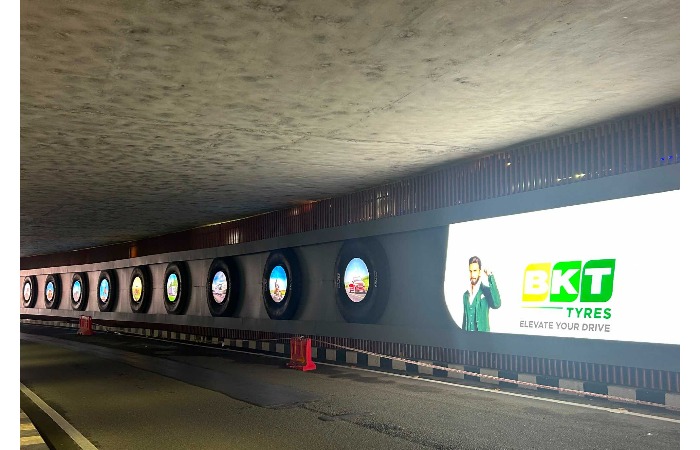
BKT Unveils Immersive Tyre Installation at Mumbai Airport
Balkrishna Industries (BKT), a global off-highway tyre leader with a growing presence in India's on-highway tyre market, has unveiled a distincti...
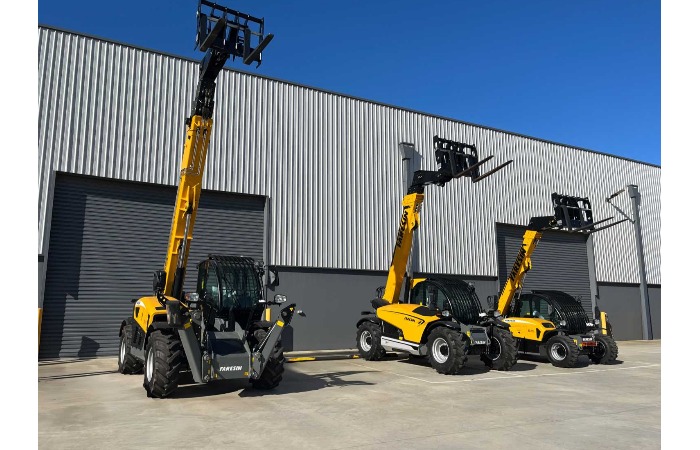
Faresin Appoints Haulotte as Australia Telehandler Distributor
Faresin Industries has appointed Haulotte Australia as the exclusive distributor of its telehandlers for the construction and equipment rental se...
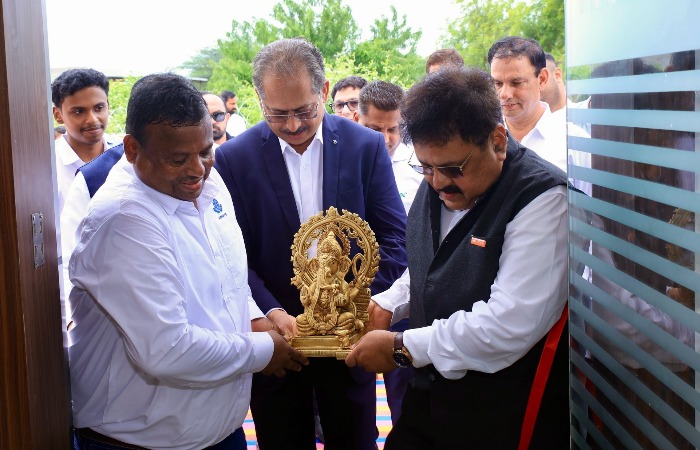
Tata Hitachi Inaugurates Regional Sales Office in Jaipur
Tata Hitachi has inaugurated its new Regional Sales Office in Jaipur, marking a step towards strengthening its presence and customer engagement i...